
Why Neurodiversity Conversations Matter More Than Ever
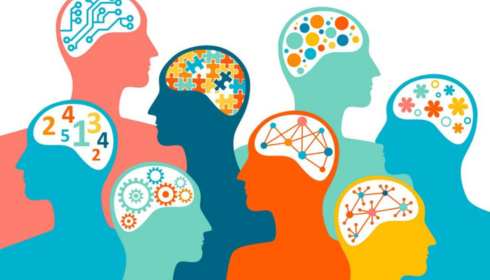
There’s been a quiet but meaningful shift happening in workplaces, schools, and even everyday conversations. People are finally starting to understand that not everyone thinks, communicates, or processes the world in the same way — and honestly, that’s a good thing.
For years, neurodivergent individuals were expected to “fit in” rather than be understood. Whether someone is autistic, has ADHD, dyslexia, or another neurological difference, the pressure to mask who they are has often been exhausting. But now, awareness is slowly turning into acceptance, and acceptance is beginning to create genuine inclusion.
That change doesn’t happen by accident, though. It usually begins with education, honest storytelling, and people willing to speak openly about lived experiences.
That’s where a Neurodiversity Awareness Speaker can make an incredible difference.
The Power of Real Human Stories
Facts and statistics matter, sure. But stories? Stories stay with people.
When someone shares what it actually feels like to navigate a noisy office while being sensitive to sound, or explains the emotional toll of constantly trying to appear “normal,” audiences connect on a deeper level. Suddenly, neurodiversity stops being a corporate buzzword and starts becoming human.
A strong speaker doesn’t just deliver information. They help people rethink assumptions they didn’t even realize they had.
And honestly, many organizations need that wake-up call.
Some companies proudly talk about diversity, yet unintentionally create environments where neurodivergent employees feel overlooked or misunderstood. Meetings that reward only loud voices. Hiring processes that punish different communication styles. Offices that overstimulate people without anyone noticing.
Awareness training changes that — slowly, imperfectly, but meaningfully.
Why Workplaces Are Paying Attention
A few years ago, many businesses viewed neurodiversity discussions as optional. Something “nice to have.” That mindset is changing rapidly.
Companies are realizing that neurodivergent employees often bring exceptional creativity, pattern recognition, innovation, and problem-solving abilities. Different thinking styles can strengthen teams in ways traditional approaches sometimes can’t.
But talent alone isn’t enough if the environment itself creates barriers.
That’s why more organizations are inviting speakers and advocates into leadership events, HR training sessions, and conferences. They want employees to better understand communication differences, sensory needs, emotional regulation, and inclusive collaboration.
Interestingly, the best sessions usually aren’t the overly polished corporate presentations. The talks people remember are the honest ones — the moments where someone admits how difficult school felt, or how exhausting masking became before finally embracing who they were.
Those moments hit differently.
Autism Awareness Is Becoming More Personal
Public understanding of autism has evolved a lot, though there’s still work to do.
Many people grew up with outdated stereotypes about autistic individuals. Some still imagine autism through a very narrow lens, often shaped by movies or misinformation. Real life is far more nuanced than that.
Autism exists across a wide spectrum, and every autistic person experiences the world differently. Some thrive socially but struggle with sensory overload. Others communicate differently but excel in highly focused environments. There’s no single “look” to autism.
An Autism Motivational Speaker often helps break those misconceptions in a way textbooks simply can’t.
Instead of presenting autism as a limitation, many speakers focus on resilience, self-understanding, and the importance of supportive environments. They speak not only to autistic individuals, but also to parents, educators, employers, and peers who want to learn how to be genuinely supportive.
And sometimes, hearing those perspectives changes families forever.
Schools and Young Audiences Need These Conversations Too
Kids notice differences early. The question is whether adults help them understand those differences with empathy or fear.
Schools that introduce neurodiversity awareness often see improvements in bullying prevention, classroom inclusion, and student confidence. When children learn that brains work differently — and that different doesn’t mean wrong — they tend to become more compassionate.
That’s especially important for neurodivergent students who may already feel isolated.
A thoughtful speaker can help students realize they’re not broken or strange. They’re simply wired differently, and that difference has value.
Honestly, that kind of reassurance can stay with someone for years.
Inclusion Isn’t About Perfection
One thing that comes up repeatedly in neurodiversity discussions is the idea that inclusion isn’t about getting everything perfect overnight.
People will still make mistakes. Managers may say the wrong thing sometimes. Teachers might misunderstand behaviors initially. Parents may struggle to adapt.
What matters is willingness.
Willingness to listen. Willingness to learn. Willingness to create spaces where people don’t feel pressured to hide who they are just to be accepted.
That’s why awareness speakers continue to play such an important role. They open conversations many people were previously uncomfortable having.
And honestly, society needs more of that.
Final Thoughts
Neurodiversity awareness isn’t simply a workplace trend or a social media topic that fades after a month. It’s part of a larger shift toward understanding human differences with more empathy and less judgment.
The conversations may feel unfamiliar at first, but they matter deeply. Every time someone shares their experience openly, it creates a little more understanding for the next person who may have spent years feeling unseen.
That ripple effect is powerful.
And sometimes, all it takes to start that ripple is one person standing in front of a room, telling the truth about what it means to think differently in a world that often expects everyone to think the same way.


