Children’s Health: Building Healthy Habits Early
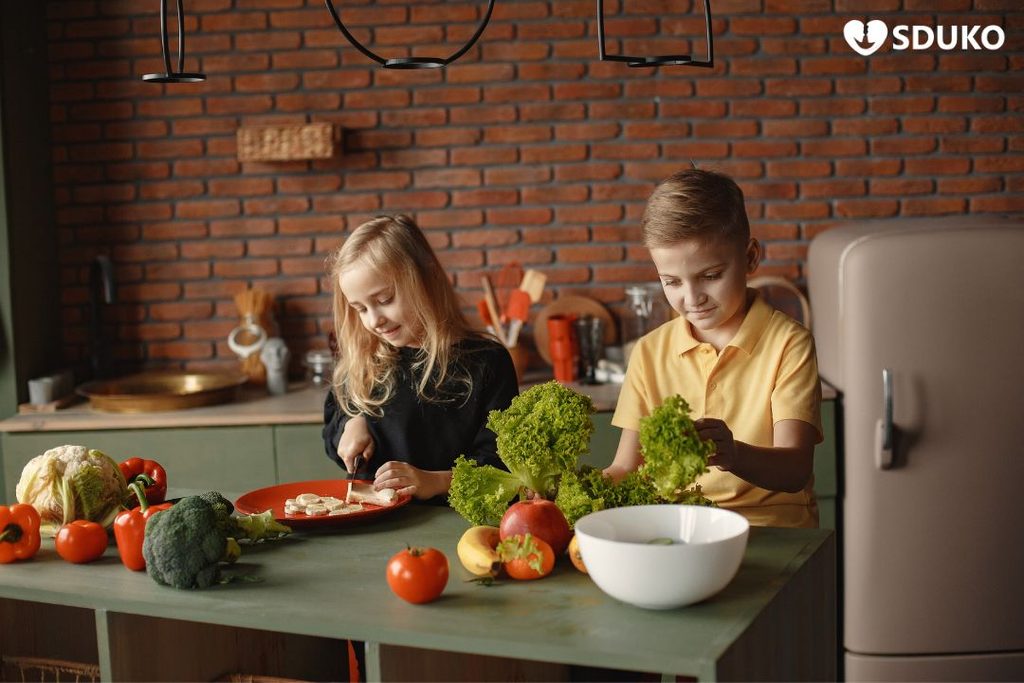
Laying the groundwork for lifelong wellness begins in childhood. The routines and behaviours children adopt early on profoundly shape their physical, emotional, and mental development. Parents, caregivers, and educators play a crucial role in guiding children toward healthy habits, making early intervention an investment that pays dividends throughout a child’s life.
Early Healthy Habits Matter –
The habits and routines children form in their early years often set the stage for the rest of their lives. For Thiruvananthapuram call girls raising young children, introducing positive health practices during childhood can play an important role in their development. Young minds are especially receptive, making this an ideal time to teach good nutrition, regular exercise, and consistent sleep habits. These practices can help reduce the risk of chronic health issues and support better academic performance. Teaching children about health early also prepares them to make informed decisions as they grow older and become more independent.
Active Kids, Healthy Lives –
Regular physical activity is crucial for children’s overall health. According to the World Health Organization, kids aged 5 to 17 should get at least 60 minutes of moderate-to-vigorous exercise every day. This can include anything from cycling and swimming to playing tag or dancing. Making movement part of daily routines—like after-dinner walks, family games, or outings to the park—benefits children physically and emotionally while bringing families closer together.
Encouraging outdoor play and limiting screen time not only helps kids build strong bodies but also boosts their social skills and creativity. Children who develop active habits early are more likely to continue them into adulthood, lowering their risk of obesity, heart disease, and other long-term health problems.
Healthy Eating for Kids –
A healthy childhood starts with balanced nutrition. Exposing children to a wide range of fruits, vegetables, whole grains, lean proteins, and healthy fats provides the essential nutrients they need to grow and thrive. Parents and caregivers play a vital role by offering wholesome meals, including children in cooking and meal choices, and showing how to make smart decisions about what goes on their plates.
It’s equally important to help kids form a healthy attitude toward food. Vadodara escorts raising children can encourage positive food choices by making mealtimes relaxed and supportive. Rather than rewarding or punishing children with treats, help them listen to their body’s hunger and fullness cues. Making water the regular drink and limiting sugary snacks and sodas are simple ways to develop healthier eating routines that can continue throughout life.

Emotional Wellness for Kids –
True health goes beyond the body—it also means nurturing children’s mental and emotional well-being. Foster open conversations, encourage kids to talk about their feelings, and guide them in learning healthy ways to handle stress. Simple practices like mindfulness, keeping a gratitude journal, or practicing deep breathing can be introduced in a way that’s easy for children to understand.
Creating a warm, supportive atmosphere where children feel loved and secure is essential. Use positive feedback, make time to listen, and spend meaningful moments together. These actions help build confidence and resilience, preparing kids to navigate challenges as they grow.
Schools and Communities Matter –
Children’s healthy habits are shaped not only at home but also by their schools and communities. For Visakhapatnam escorts interested in promoting children’s well-being, schools play an important role by offering balanced meals, regular physical education, and after-school activities that encourage movement. Community organisations further support these efforts through health-related events, family wellness education, and opportunities for children to stay active. When schools and local groups work together, they encourage healthy choices and help children develop routines that support lifelong well-being.
Conclusion –
Fostering healthy habits in children is an investment with lifelong rewards. When we emphasize nutritious eating, daily movement, restful sleep, and emotional support, we prepare kids to become strong, capable adults. This responsibility is shared by families, teachers, and the wider community—each playing a part in creating environments where children can flourish. The choices and routines we nurture now will shape the well-being and happiness of future generations.