Understanding Uterine Fibroids: Insights From Obstetricians And Gynecologists
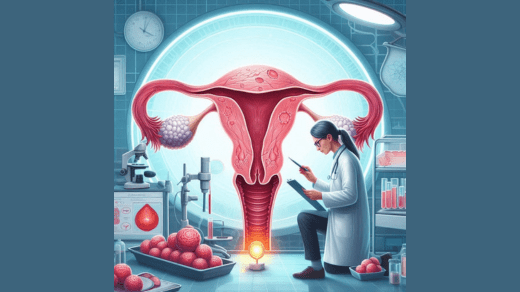
Uterine fibroids are common growths in the uterus. They can cause discomfort and other health issues. Understanding them is essential for effective care. Obstetricians and gynecologists offer valuable insights into these growths. They can explain how fibroids form, their symptoms, and treatment options. One approach is mcallen minimally invasive surgery, which can reduce recovery time. By learning more, we can better manage and treat uterine fibroids.
What Are Uterine Fibroids?
Uterine fibroids are non-cancerous growths in or on the uterus. They vary in size and number. Some can be as small as a seed, while others grow larger than a grapefruit. Most women will have fibroids at some point, often without knowing it. The exact cause is unknown, but factors like hormones and genetics may play a role.
Common Symptoms
Fibroids can present a range of symptoms, or sometimes none at all. Common symptoms include:
- Heavy or prolonged periods
- Pain during sex
- Frequent urination
- Pelvic pain or pressure
- Constipation
These symptoms can impact daily life. It’s important to consult a healthcare provider if symptoms arise.
Diagnosis and Treatment Options
Diagnosis usually involves a pelvic exam and imaging tests, like ultrasound or MRI. Once diagnosed, the treatment plan depends on various factors, including size, location, and symptoms.
Treatment options include:
- Medication to manage symptoms
- Non-invasive procedures like MRI-guided focused ultrasound
- Surgical options such as myomectomy or hysterectomy
Minimally invasive surgery, like McAllen minimally invasive surgery, is a modern approach that can result in quicker recovery and less pain.
Comparing Treatment Options
| Treatment | Benefits | Considerations |
| Medication | Non-surgical, symptom management | Temporary, may not shrink fibroids |
| Focused Ultrasound | Non-invasive, preserves uterus | Not suitable for all fibroid types |
| Myomectomy | Removes fibroids, preserves fertility | Possible recurrence |
| Hysterectomy | Permanent solution, no recurrence | Ends fertility |
When to Seek Medical Advice
It’s crucial to seek medical advice if experiencing severe symptoms. Early consultation can prevent complications and ensure better management. For more information, visit the U.S. Department of Health & Human Services or the National Library of Medicine for reliable resources.
Conclusion
Understanding uterine fibroids leads to better management and improved quality of life. With various treatment options available, it’s essential to work closely with healthcare providers. Together, we can find the best approach tailored to individual needs. Remember, knowledge is the first step in finding relief and living well.